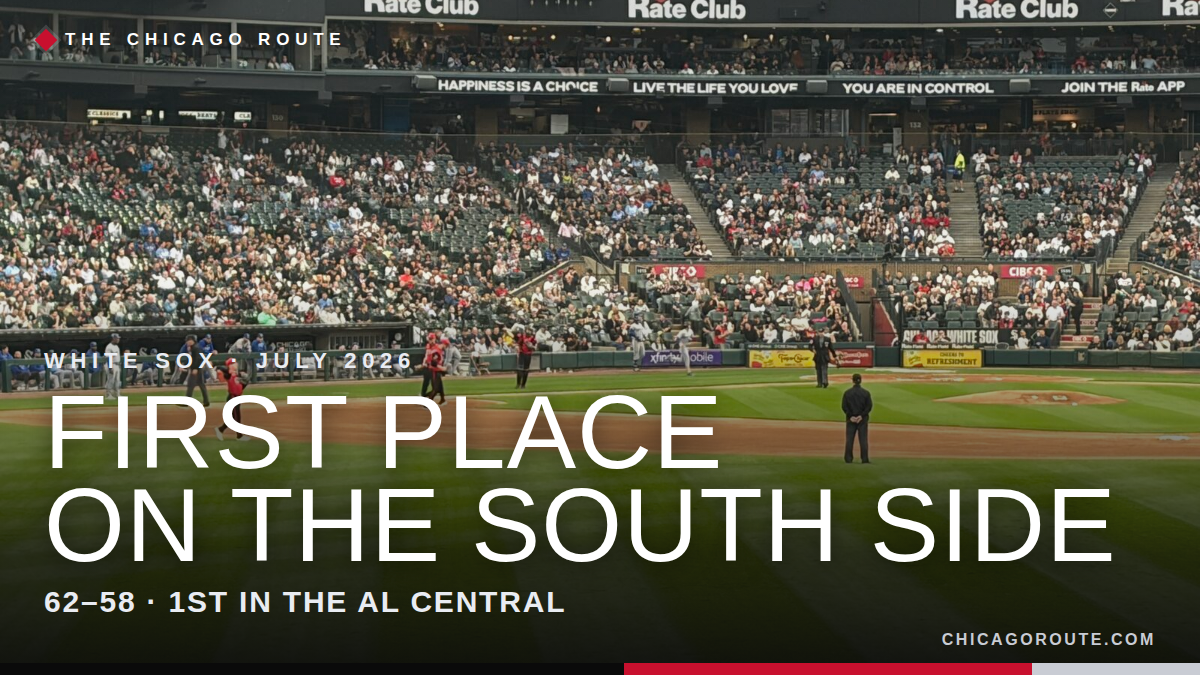
Nobody outside 35th and Shields saw this coming. A year removed from one of the roughest seasons in franchise history, the Chicago White Sox are sitting in first place — and they’ve spent all summer refusing to give the seat back. As the dog days set in and a Crosstown showdown with the Cubs looms, here’s the full picture of where the Sox are, how they got here in July, and why the next couple of weeks matter so much.
Where they stand: first in the AL Central
Let’s start with the line that still looks unreal on paper: 62–58, first place in the AL Central, up 2½ games on the Detroit Tigers. The division is a knife fight — Detroit, Minnesota, and Cleveland all bunched up right behind — but it’s the South Siders holding the top spot deep into August. They’ve been nearly unbeatable at 35th and Shields and are still figuring out life on the road, which tells you exactly what this team needs to close the deal: keep the yard on lock and steal a few more away from home. Same old story on the South Side — you come into our house, you’d better bring it.
For a fan base that’s weathered a long rebuild, “meaningful August baseball” is the whole point. And it’s here.
The July grind: 13–12, and pitching kept them upright
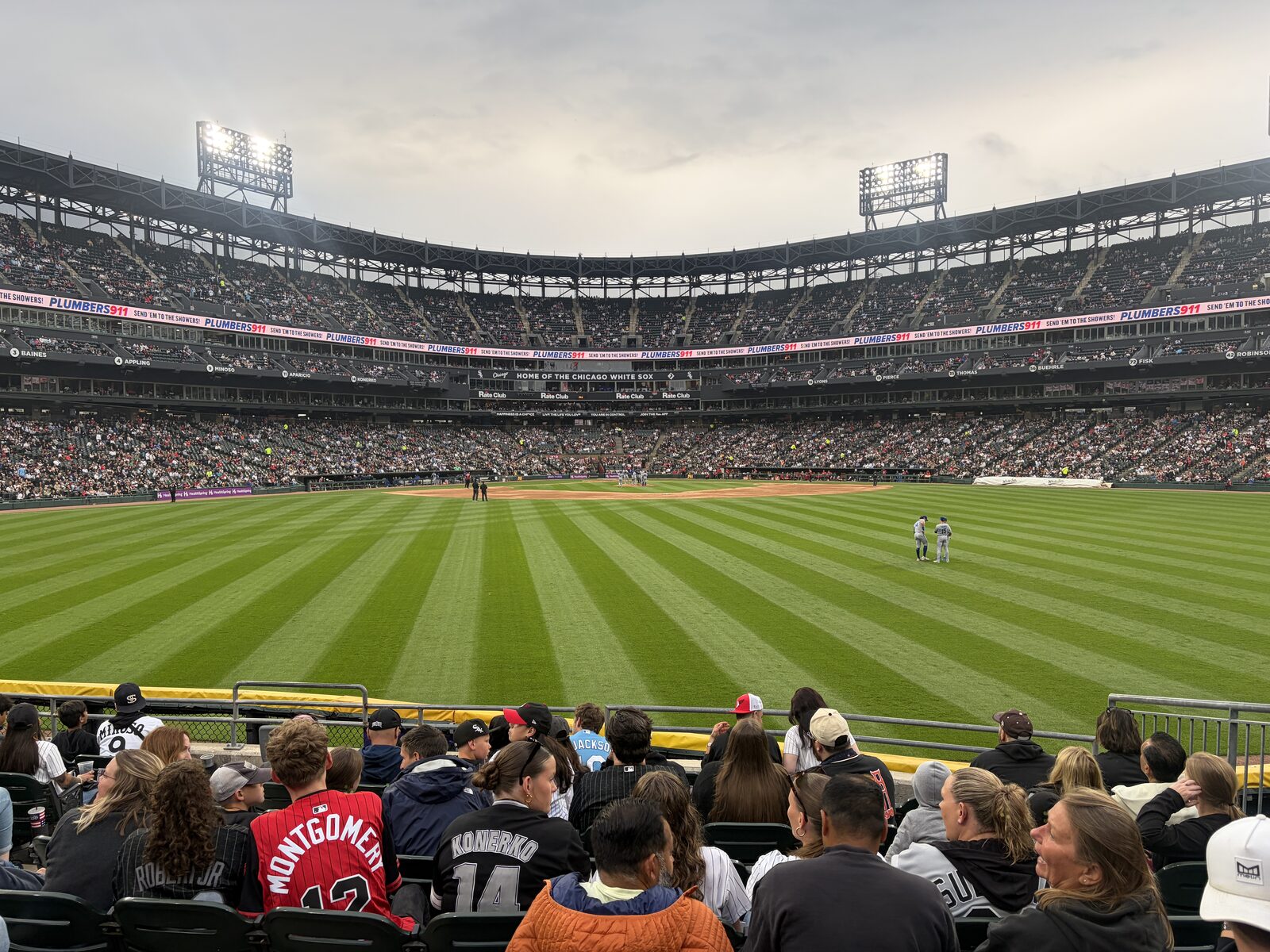
July wasn’t a fireworks show — it was a survival act, and the Sox passed. They went 13–12 on the month and walked out of it still in first place. The offense went cold (the team OPS dropped roughly 100 points from June), but the pitching staff carried the load, posting one of the lowest team ERAs in baseball for the month.
The high point: a 14–1 demolition of the A’s on July 10 — and, fittingly, it came on Mexican Heritage Night in front of a packed, jersey-toting crowd (more on that below). There were rough patches too — a lopsided beatdown at Texas later in the month was the kind of night you flush and forget. But the through-line was resilience: every time they wobbled, the arms steadied the ship. A team that “treads water” and stays in first place while doing it is a team built on something real.
Add to that the return of slugger Munetaka Murakami from the injured list in July, and the lineup got a jolt right when it needed one.
The bats: a young core with real thump
Here’s the fun part. This offense isn’t a bunch of aging vets running it back — it’s young, it’s homegrown, and it’s dangerous. All season totals below are through mid-August.
- Miguel Vargas has become the engine — 25 home runs, 68 RBIs, tied for the team RBI lead, with a well-deserved 2026 AL All-Star nod on his résumé. When the offense hums, it usually starts with him.
- Colson Montgomery, the young shortstop the whole South Side had been waiting on, has arrived — 26 home runs and 68 RBIs, co-leading the team in bombs and looking like a cornerstone for the next decade.
- Munetaka Murakami, the marquee Japanese power bat, is the scariest of the bunch: 26 home runs and 54 RBIs in just 85 games with a team-best .898 OPS, and an All-Star himself. When Mune’s locked in, the middle of this order is flat-out frightening.
Behind them, the kids keep coming: infielder Chase Meidroth led the team in hitting through July, and catchers Kyle Teel and Edgar Quero give the Sox a young, athletic spine up the middle. Three All-Stars (Vargas, Murakami, and outfielder Tristan Peters) is not what anyone printed in the preseason previews — and that’s the point. This roster is ahead of schedule.
Deadline day: the Sox bought in
Maybe the loudest statement of all: at the July 31 trade deadline, the White Sox were buyers. A first-place team acted like a first-place team, bringing in four new players to shore up the roster for a stretch run:
- Luis Castillo (RHP) — a proven, front-line starter, acquired from the Seattle Mariners
- Huascar Brazobán (RHP) — bullpen reinforcement from the New York Mets
- Brenton Doyle (OF) — a Gold Glove-caliber outfielder from the Colorado Rockies
- Joey Bart (C) — catching depth from the Atlanta Braves
And they did it without gutting the farm system — improving around the margins with pitching, defense, and depth instead of mortgaging the future. For a franchise that spent years shipping talent out, watching them bring reinforcements in for a playoff push hit different.
The future got brighter, too: Cholowsky goes No. 1
While the big-league club was chasing a division, the front office landed a franchise cornerstone. Holding the No. 1 overall pick in the 2026 MLB Draft, the Sox selected shortstop Roch Cholowsky first overall — one of the most polished bats in the class and exactly the kind of high-ceiling talent you build a decade around. First place now, and a blue-chip prospect for later. Not a bad month at the office.
Ozzie’s night: No. 13 goes up forever
You can’t talk about the Sox this summer without the goosebumps moment. On Saturday, August 8, the White Sox retired Ozzie Guillén’s No. 13, sending the number of the 2005 World Series-winning manager into the rafters — right alongside fellow Venezuelan legend Luis Aparicio’s No. 11 down the first-base line.
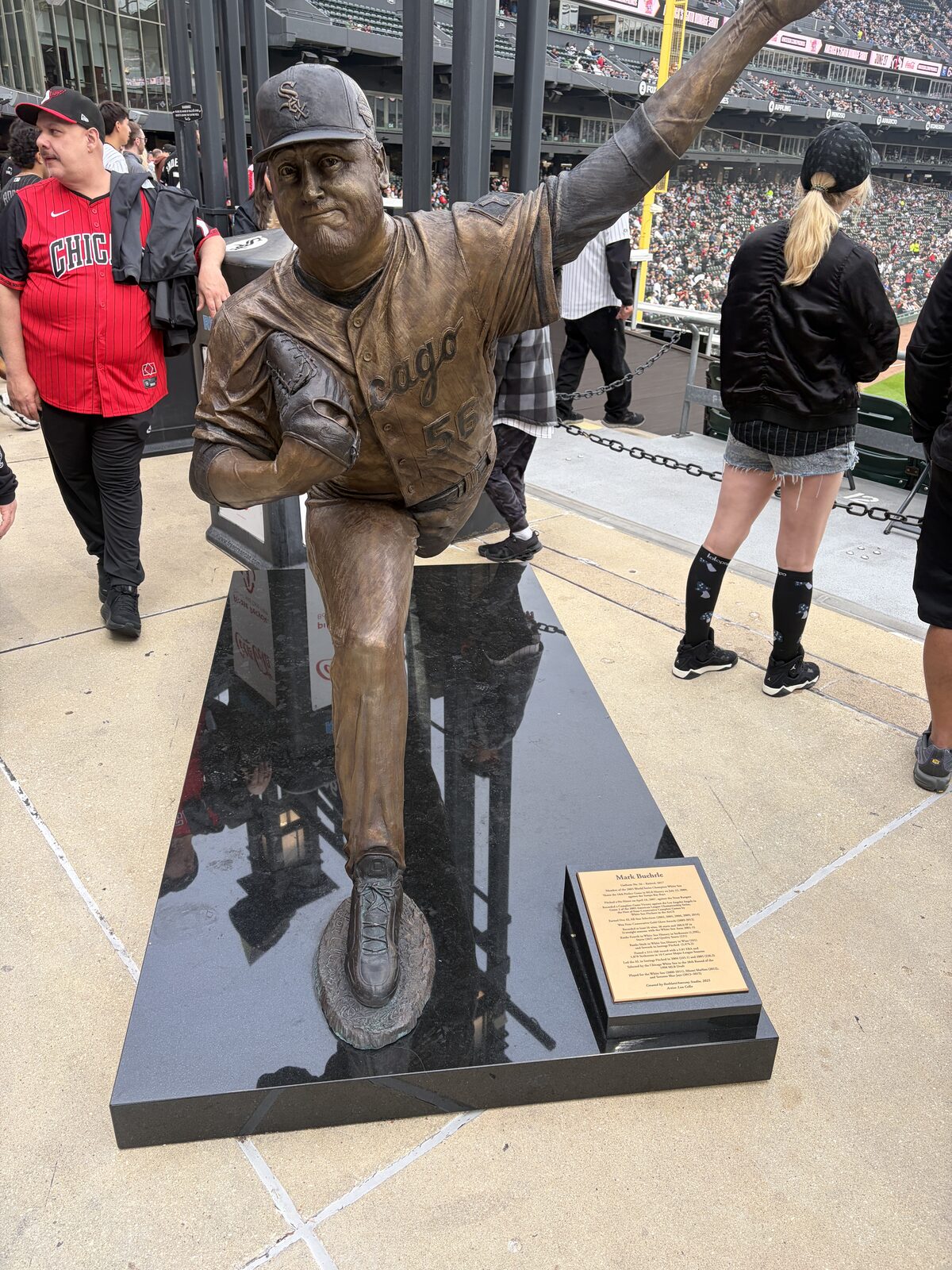
It was a full-circle night. A.J. Pierzynski and Mark Buehrle — heroes of that ’05 title, the franchise’s first championship since 1917 — were on hand, along with chairman Jerry Reinsdorf, broadcaster Ken “Hawk” Harrelson, and the Aparicio family. Ozzie being Ozzie, his speech ran long enough to push first pitch back nearly 20 minutes, and the club paired the ceremony with a “Relief for Venezuela” fundraiser for earthquake recovery — honoring both the man and his roots. Twenty-plus years after he willed this team to a title, the South Side made it official: Ozzie is forever.
More than the scoreboard: what July at Rate Field actually felt like
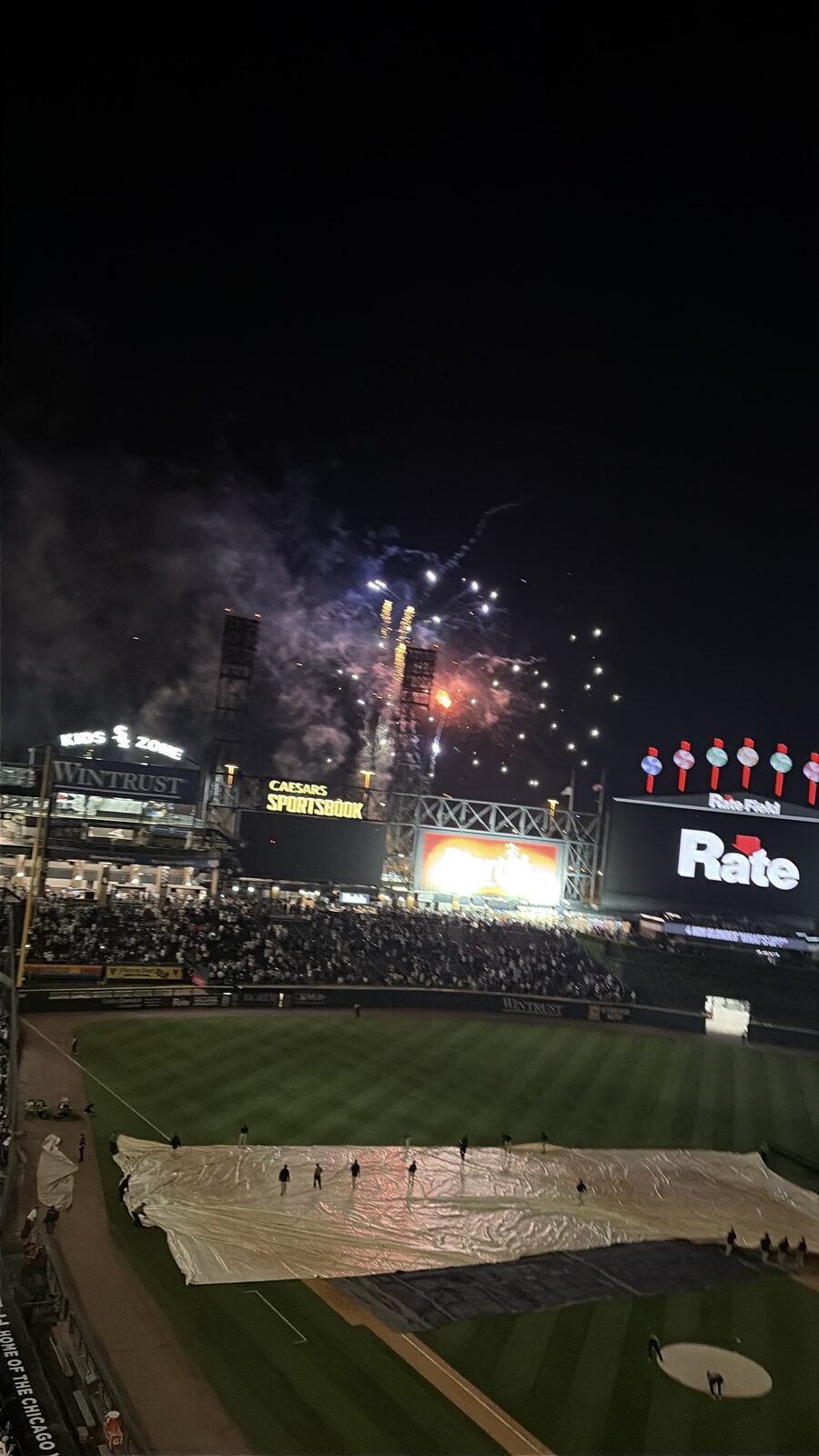
Here’s the part the box scores don’t capture. A night on the South Side is its own event, and July was stacked with reasons to get out to 35th Street — theme nights, giveaways, and the kind of atmosphere that turns a Tuesday into a memory.
The one to circle was Mexican Heritage Night on Friday, July 10, when the first 15,000 fans took home a special Mexican Heritage jersey. Little Village and the whole South Side turned out — and the team rewarded them by hanging that 14–1 number on the A’s. Jersey giveaway, a blowout win, a full house: that’s a perfect night at the ballpark. Earlier that week, Italian Heritage Night (Tuesday, July 7) kept the multicultural celebrations rolling.
Then came the bobbleheads. Sunday, July 12 brought an Ozzie Guillén & Chuck Garfien bobblehead for the first 10,000 — a fitting warm-up to the number-retirement night to come. And the marquee giveaway of the month landed Sunday, July 26, when the first 15,000 fans through the gates grabbed a Munetaka Murakami bobblehead for the Sox’s Japanese slugger — one of those must-get-there-early days when the line wraps the concourse before first pitch. Then Murakami went out and earned the statue: two home runs and six RBIs against the Astros on his own bobblehead day. You can’t script it better than that. Closing out the month, Rate Field leaned into the fun with Grateful Dead Night (Tuesday, July 28) and a Teacher Appreciation offer (Wednesday, July 29).

And then there are the Friday postgame concerts — maybe the best-kept secret of a Sox summer. On concert Fridays, the game is only half the night: when the final out lands, the field opens up and a headliner takes the stage. Not every show goes to plan — the Ja Rule postgame concert on August 7 got scrapped in the ninth inning after the artist ran into unexpected travel issues, and the Sox made it right by comping affected fans tickets to a future game — but that’s part of the deal: on a Friday at Rate Field, there’s usually a little extra on top of the baseball, with country star Cole Swindell booked to close out the concert series in September. If you haven’t made it to the South Side this summer, the rest of the schedule is your excuse.
Why it all matters: the Crosstown Classic is next
Here’s where it comes together. The Sox host — well, visit — the Cubs for the Crosstown Classic at Wrigley Field, August 17–19, and they’re walking in with the upper hand for once. They already took the first meeting back in May, winning two of three at Rate Field — capped by a 9–8 walk-off in the finale — and now they arrive on the North Side as a first-place team with deadline reinforcements and a young lineup that’s clicking.
For a rivalry the Cubs have owned in recent years, that’s a role reversal — and it raises the stakes on every pitch. Bragging rights are one thing. Doing it as the better team, in your rival’s building, in a season nobody expected? That’s the kind of summer that turns a rebuild into a contender.
Three games at Wrigley. First place on the line. And a South Side that finally has something to shout about.
Full schedule, first-pitch times, and where to watch it: read our Crosstown Classic 2026 preview. And find your watch-party spot on The Chicago Route directory.